
November 2, 2026
What Is an Acute Wound?
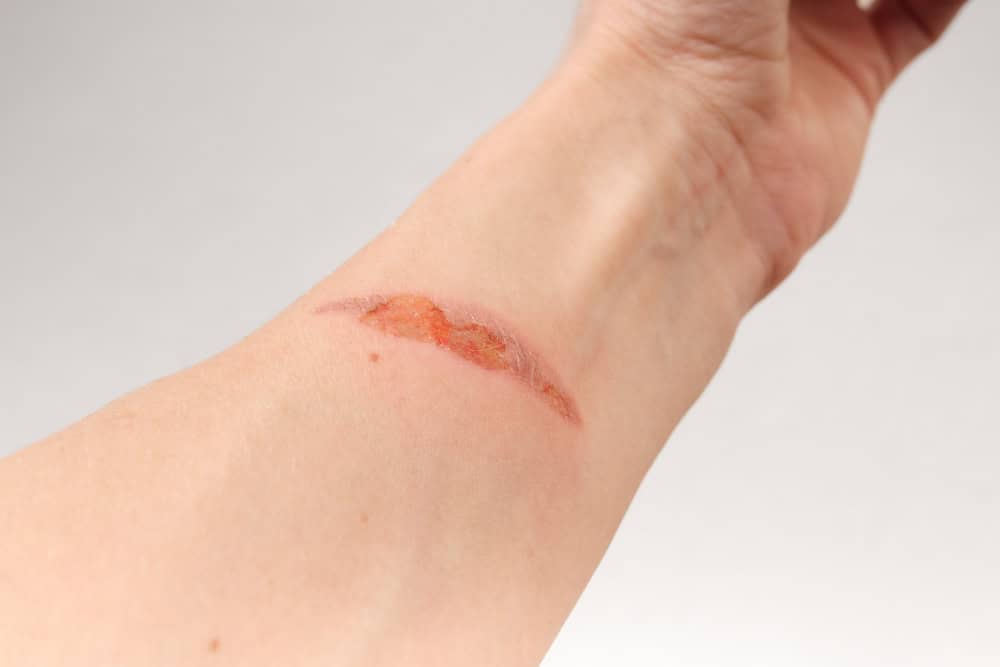
An acute wound is an injury that occurs suddenly and typically progresses through the body’s normal healing process. A scraped knee, a kitchen cut, and an incision from surgery can all fall into this category.
Although many acute wounds heal without complications, recovery depends on the injury’s depth, location, and cause, along with your overall health. Understanding how wounds heal can help you support recovery and recognize when medical attention is needed. Gladiator Therapeutics explores how far infrared technology may support the body’s natural healing process.
What Makes a Wound Acute?
Acute wounds generally result from a specific event, such as an accident, burn, or surgical procedure. They normally move through an orderly sequence of tissue repair.
A chronic wound, by comparison, fails to progress through healing as expected. An acute wound can become difficult to heal if infection, poor circulation, or other problems interrupt recovery. The distinction involves how the wound progresses, rather than simply how it looks.
Common Examples of Acute Wounds
Acute wounds include:
- Cuts and lacerations: Breaks in the skin caused by sharp objects or trauma.
- Abrasions: Scrapes caused by friction against a rough surface.
- Puncture wounds: Injuries caused by objects piercing the skin.
- Burns: Tissue damage caused by heat, chemicals, or other sources.
- Surgical incisions: Deliberate cuts made during medical procedures.
A small surface opening does not always mean a minor injury. Deep wounds can affect nerves, tendons, muscles, and blood vessels.
How Does an Acute Wound Heal?
Healing involves four overlapping phases. Each contributes to closing the wound and rebuilding damaged tissue.
Hemostasis: Controlling Bleeding
When blood vessels are injured, the body forms a clot to limit blood loss. This clot also provides a temporary foundation for tissue repair.
Inflammation: Clearing the Injury
Immune cells help remove bacteria and damaged tissue. Some early redness, tenderness, and swelling can occur during this phase. Inflammation is a normal part of healing, although worsening symptoms need attention.
Proliferation: Building New Tissue
The body produces new tissue and blood vessels. Collagen helps form a supporting structure, while skin cells move across the wound’s surface.
Remodeling: Strengthening the Repair
Collagen reorganizes as the repaired area matures. This process continues after the skin closes, and scar tissue generally remains weaker than uninjured skin.
How Long Does an Acute Wound Take to Heal?
There is no single recovery timeline for every acute wound. Small, shallow injuries generally close faster than deep wounds or larger surgical incisions. Tissue strengthening and scar maturation can continue for months after the surface has closed.
Infection, diabetes, poor blood flow, and certain medications can delay recovery. Smoking also interferes with healing and increases the risk of surgical complications. If progress stalls, a healthcare provider can assess what is slowing the process.
Supporting a Healing Acute Wound
Good wound care helps protect recovering tissue. Follow the instructions provided for your particular injury, especially after surgery.
Keep the Wound Clean and Protected
For minor cuts and scrapes, gently clean the wound with mild soap and water, rinse thoroughly, and cover it with a clean, appropriate dressing. Surgical wounds require your surgeon’s specific instructions for cleaning, dressing changes, and bathing.
Wash your hands before handling dressings. Avoid picking at scabs or removing stitches yourself. Do not apply creams or other products to a surgical incision unless your care team approves them.
Watch for Changes That Need Medical Attention
Contact your healthcare provider promptly if you notice increasing redness, pain, swelling, pus, unpleasant odor, or a wound that opens or becomes deeper. Fever can also signal a complication.
Seek urgent care for uncontrolled bleeding or a serious injury. A healing acute wound should receive medical evaluation when symptoms worsen instead of gradually improving.
Where Does Far Infrared Therapy Fit Into Recovery?
Far infrared therapy is being studied for its potential to support tissue repair. Gladiator Therapeutics develops non-powered far infrared devices with wound healing and surgical recovery among its research interests.
Research involving a ceramic far infrared blanket manufactured by Gladiator Therapeutics found faster wound healing in treated mice than in controls. These findings are promising, but animal research does not establish the same benefits in people or guarantee a particular recovery outcome.
Any recovery device should complement your medical care. Discuss its suitability, placement, and timing with your healthcare provider, particularly around a fresh surgical incision.
Frequently Asked Questions About Acute Wounds
What Is the Difference Between an Acute Wound and a Chronic Wound?
An acute wound typically follows the body’s normal healing process after an injury or surgical procedure. A chronic wound does not progress through healing as expected and may require additional medical treatment.
Can an Acute Wound Become Chronic?
Yes. An acute wound may become chronic if complications such as infection, poor circulation, or underlying health conditions interfere with normal tissue repair.
What Helps an Acute Wound Heal Faster?
Proper wound cleaning, protection, adequate nutrition, and following medical instructions can support the healing process. Addressing infections or other complications promptly also helps prevent delays in recovery.
Explore Recovery Support From Gladiator Therapeutics
If you are recovering from a wound or preparing for surgery, explore Gladiator Therapeutics’ far infrared therapy devices and learn about their potential to support the body’s healing process, particularly tissue repair and wound recovery.
Ask your care team how this technology could fit into your recovery plan while continuing the wound care and follow-up visits they recommend.