June 11, 2020
Do You Have a Wound and What Type of Wound Do You Have?
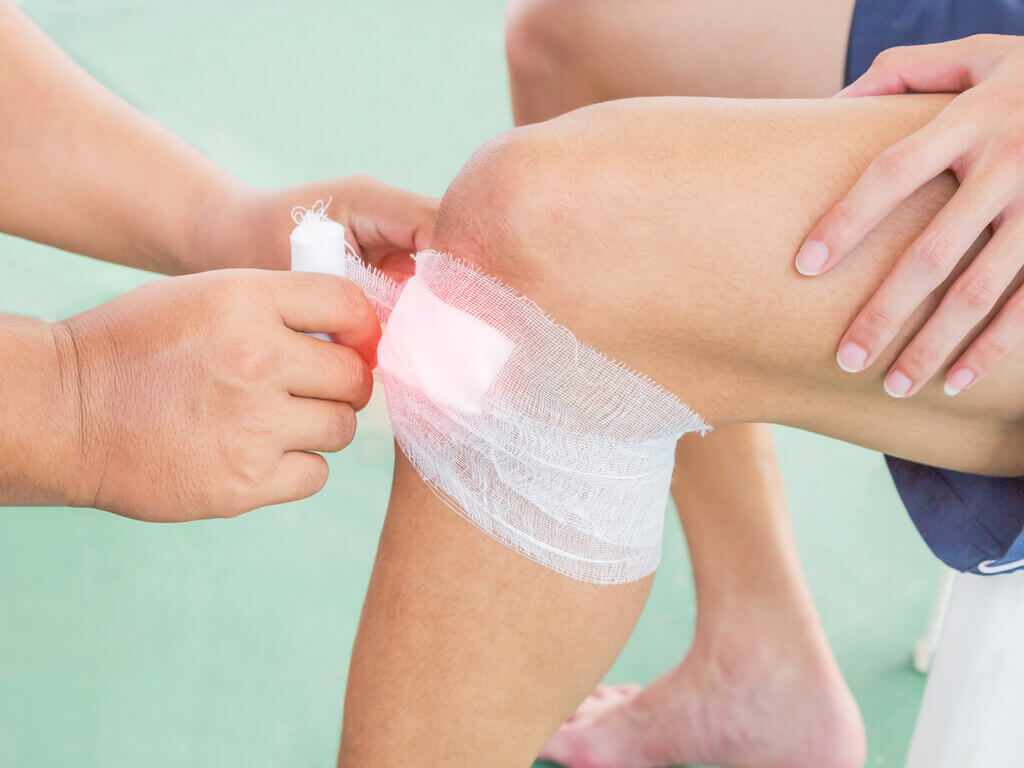
Accidents happen, and when they do, we’re often left with some kind of injury, usually a wound. One of the most common types of wounds is an open wound. According to Healthline, an open wound is characterized by an internal or external break in tissue, often involving the skin. They’re usually caused by various circumstances, such as accidents, cuts, burns, or surgical incisions.
Different Types of Wounds You May Have
Knowing what type of wound you have is essential to properly treating it, allowing it to heal faster. Conditions like infection are a symptom of a wound, and not a wound type. If you’re showing signs of infection, you may need to speak to a medical professional immediately.
Similarly, surgical wounds are not a wound type, but a label for what caused the wound. A surgical wound can be one of the many wound types we are going to break down, now.
1. Open Wounds
Unlike closed wounds like bruises or closed fractures, open wounds often leave internal tissue exposed. This can make them more susceptible to infections as the protective barrier of the skin is compromised. You should get them treated as quickly as possible.
When cared for properly, most open wounds heal well, leaving only a small scar or none at all. Not all open wounds are the same. They can range in severity from minor cuts and abrasions to deep cuts and puncture wounds. That said, you’re more likely to have a scar with larger wounds.
2. Abrasion
This wound type is usually the result of your skin scraping against a harsh surface, removing a layer of the skin. Abrasive wounds are not very deep and heal quite quickly. However, they need to be thoroughly cleaned to avoid infection. According to the National Center for Biotechnology Information, they are classified into three categories:
- Linear or scratch abrasions: the simplest of injuries
- Grazed or brush abrasions: a mid-range injury such as a brush burn
- Patterned abrasion: the most severe of the three types; can be further sub-classified as pressure abrasion and impact abrasion
Characteristically, abrasive wounds appear as shallow, raw, and red areas on the skin. Additionally, they may be tender or painful. But abrasions usually do not penetrate the epidermis and do not involve underlying tissues or structures. When cared for, abrasive wounds should heal within a few days or weeks, based on their size and location.
3. Avulsion
A severe type of wound in which multiple or all layers of the skin and tissue are torn or ripped off is known as an avulsion. These are serious and can lead to heavy blood loss if the bleeding is not stopped right away. They can be caused by a multitude of things. Some common examples include a car accident, an animal attack, or an accident involving heavy machinery.
Avulsive wounds often have jagged or irregular wound edges, exposed tissues or structures, profuse bleeding, and potential contamination from external sources. In some instances, avulsive wounds might come with severe pain, shock, and psychological distress due to the traumatic nature of the injury. Immediate and appropriate care is crucial for these types of wounds to improve your chances of a full recovery.
4. Laceration
A laceration is a form of cut or tear in the skin, often caused by accidents involving machines. Blunt trauma may also cause the skin to tear, resulting in a laceration. These types of injuries can be deep or shallow, long or short; they are not limited to just skin, either. Tissue and muscles may also be lacerated.
Superficial laceration wounds only affect the outer layer of the skin, while deep lacerations can affect underlying muscles, tendons, blood vessels, or nerves. You may experience pain, bleeding, swelling, and impaired function based on where the wound is located. Be wary of objects or debris embedded in the laceration wound, as they can increase your risk of infection.
5. Puncture Wound – Small But Potentially Severe Wounds
While they may seem similar to a laceration, puncture wounds differ as they are generally much smaller and result from an object such as a knife or a needle puncturing through the skin.
Most puncture wounds are highly prone to infection. The narrow opening can trap bacteria or other microorganisms, making it difficult for the wound to clean itself effectively. What’s more, the depth of the puncture wound can hinder the body’s immune response, which can lead to life-threatening consequences.
Minor puncture wounds often heal quickly, whereas major wounds caused by something as serious as a gunshot can damage organs and take months to heal, or even be fatal. No matter how small the puncture wound is, you should be sure that you’re up to date on your tetanus shot so that it does not become infected.
6. Incision
Lastly, we have incisions. Most of the time, incisions are the result of a medical professional performing surgery or a medical procedure. These controlled cuts are planned to minimize tissue damage and facilitate optimal healing. Incisions often bleed a great deal and almost always require sutures or, in some cases, staples.
How Can Gladiator Therapeutics Healing Products Help Treat Your Wounds
Gladiator Therapeutics’ far infrared therapy products may support wound healing by helping improve circulation and safely reduce inflammation and pain. Better blood flow can help deliver oxygen and nutrients where the body needs them most. This can support the healing process for chronic wounds and during post-surgical recovery. This combination of circulation support and comfort-focused relief makes the Gladiator Device an option for patients who want support for healing.
By promoting more efficient circulation, the Gladiator Device helps create conditions that may encourage the body’s natural recovery response. For individuals managing chronic wounds or healing after surgery, improved blood flow can play an important role in recovery, while reduced inflammation and pain may help make the process more manageable. When the circulatory system functions well, the benefits can reach beyond the wound itself and support overall well-being.
Accelerate Healing of Wounds With Gladiator Therapeutics
Understanding open wounds like abrasions, lacerations, puncture wounds, and avulsions is important for proper management and treatment. The team at Gladiator Therapeutics can help accelerate the healing process through the use of far infrared therapy. Get in touch with us today to live a quality, pain-free life.
NOTE: Content included here is not medical advice, and is only intended as information for adults. Always consult with your health care professional before making changes to diet, exercise, medication, or before the use of any product or device.