June 22, 2026
How Scar Tissue Forms — and What You Can Do About It
TL;DR: Scar tissue forms when the body repairs damaged skin, producing a tougher, less flexible area than the original tissue. Effective scar tissue healing involves two phases: protecting the wound early on and actively rehabilitating the scar through massage, silicone sheeting, and stretching once it has fully closed.
Scars are unavoidable. Whether from surgery, an injury, or a skin condition, the body’s response to damaged tissue always leaves a mark. What most people don’t realize is that how a scar looks and feels long-term depends heavily on what happens in the weeks after the wound closes.
Improving scars isn’t just about appearance — it’s about restoring flexibility, reducing discomfort, and supporting your body’s natural recovery. With the right approach, you can significantly influence the outcome.
What Is Scar Tissue, and Why Does It Form?
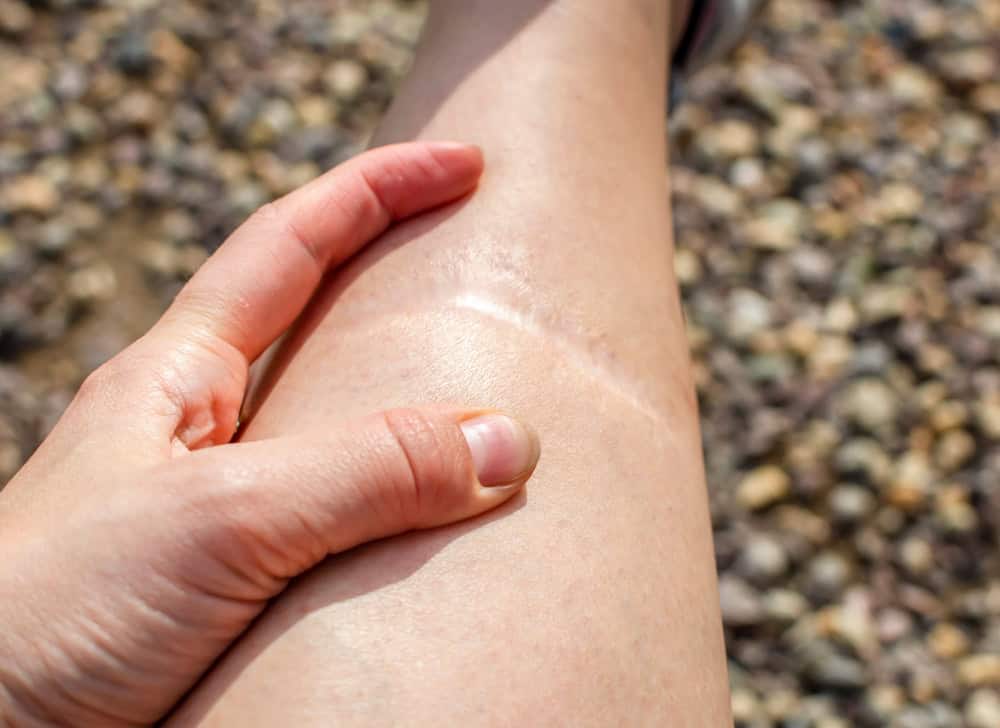
Scar tissue forms as the body’s natural response to heal damaged skin. When skin is injured, the body rapidly produces collagen fibers to close the wound. These fibers are laid down quickly and somewhat haphazardly, resulting in tissue that is tougher and less flexible than the original skin.
Over time, without intervention, scar tissue can become raised, tight, or restrictive — especially after surgical procedures. Proper scar management guides the remodeling process, giving you more control over how the tissue develops.
Phase 1: Wound Care and Early Healing
The first phase focuses on protecting the wound while it closes. Three practices make the biggest difference here.
How Does Keeping a Wound Moist Help With Scar Tissue Healing?
Keeping the healing wound moist prevents scabbing. This matters because scabs increase the likelihood of severe scarring. Apply a simple, unscented moisturizer or petroleum jelly to maintain hydration and support smoother healing.
Why Should You Avoid Sun Exposure on New Scars?
New scars are highly vulnerable to UV rays, which can cause permanent discoloration. Apply SPF consistently to any exposed scar tissue during the early healing phase to protect the skin.
How Does Wound Cleanliness Affect Scar Formation?
Infection drives inflammation, and inflammation increases scar buildup. Change dressings daily and clean the wound gently to keep bacteria at bay and reduce the risk of thickened scarring.
Phase 2: Remodeling and Mobilization
Once the wound has fully closed, the focus shifts to actively reshaping the scar tissue. This phase is where improving scars becomes most actionable.
How to Use Scar Massage to Break Up Fibrous Adhesions
Starting two to three weeks after the wound has fully closed, begin gently massaging the scar. Use your thumb or fingers to work in circular, cross-friction, and linear motions. This process breaks up fibrous adhesions and helps restore tissue mobility over time.
Does Silicone Sheeting Help With Improving Scars?
Silicone gels and pads worn over the scar — often overnight — hydrate the skin and help reduce scar thickness. Silicone sheeting is one of the most evidence-supported options for improving the texture and appearance of scars.
Why Low-Load Stretching Supports Better Collagen Alignment
Regular, gentle movement signals new collagen fibers to align properly. Consistent low-load stretching reduces stiffness, improves range of motion, and lowers the risk of joint contractures in scars near joints.
Take the Next Step in Your Scar Recovery
Managing scar tissue well takes consistency and the right tools. If you’re recovering from surgery or a significant injury and want to support the healing process, Gladiator Therapeutics offers far-infrared therapy healing devices designed to promote circulation and tissue recovery at a cellular level.
These devices can be a powerful complement to the strategies outlined above—particularly during the remodeling phase. Visit Gladiator Therapeutics to learn more.
Frequently Asked Questions
When should I start treating my scar?
You can begin Phase 1 wound care immediately after injury or surgery. Phase 2 techniques like scar massage should start two to three weeks after the wound has fully closed.
How long does scar remodeling take?
Scar remodeling can take anywhere from several months to two years, depending on the wound’s size, depth, and location.
Can all scars be improved?
Most scars can be improved with consistent care, though results vary. Thicker or older scars may require additional interventions such as silicone therapy or professional treatment.
Is far-infrared therapy effective for scar healing?
Far-infrared therapy supports circulation and cellular recovery, which can aid the tissue remodeling process. Gladiator Therapeutics’ devices are designed specifically to support this type of healing.